
The right filter media directly reduce energy costs by lowering pressure drop, cutting fan power consumption by up to 30%. Advanced options capture sub-micron particles, meeting strict EPA standards without extra equipment. Durable, chemically resistant designs extend equipment life and minimize downtime. Optimal selection balances efficiency with airflow, preventing production bottlenecks.
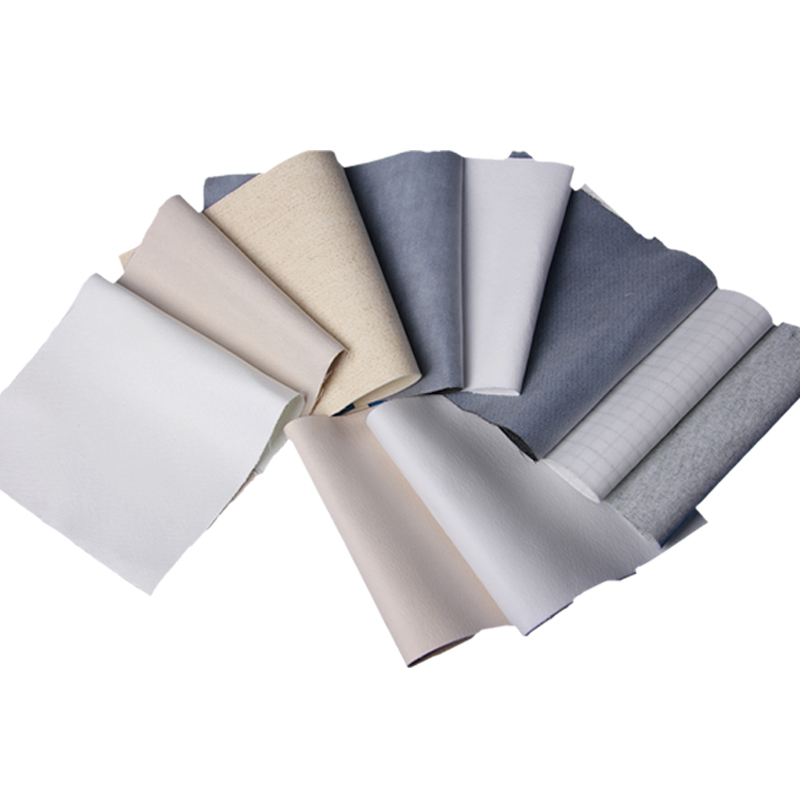
Types of Filter Media and Their Efficiency Profiles
Cement plants rely on several distinct filter media categories, each offering unique performance characteristics. Understanding these profiles helps engineers match the right solution to specific process demands.
☑ Bag Filters (Fabric Filters)
Bag filters remain the workhorse of cement dust collection. A properly designed and maintained bag filter system achieves particulate removal efficiency exceeding 99%. This performance level allows plants to meet strict emission standards below 30 mg/Nm³. Woven or felted fabrics capture dust on the surface and within the depth of the material. Operators select bag fabrics based on temperature, chemical exposure, and dust characteristics.
☑ Cartridge Filters
Cartridge filters offer a compact alternative with a larger filtration surface area per unit volume. Pleated media pack more fabric into a smaller housing, reducing the physical footprint of the dust collector. These systems excel in applications with moderate dust loads. The pleated design promotes efficient pulse-jet cleaning, maintaining consistent airflow. Cartridge filters suit applications where space constraints limit equipment size.
☑ Ceramic Filters
Ceramic filters deliver exceptional performance in high-temperature kiln applications. The table below summarizes their key properties:
| Property | Reported Value |
|---|---|
| Maximum operating temperature | Exceeds 2000°F (1093°C) without structural compromise |
| Chemical resistance | Resists attack by acids and alkalis, maintaining performance over time |
☑ Membrane Laminates (ePTFE)
Expanded polytetrafluoroethylene (ePTFE) membrane laminates represent the advanced tier of filter media technology. The smooth, non-stick membrane surface prevents dust from adhering tightly to the fabric.
- Lower operating differential pressure, reducing fan energy consumption
- Longer effective bag life, decreasing changeout frequency
- Full dust collection efficiency upon start-up, ensuring immediate compliance
- Reduced cleaning air consumption, lowering operational costs
- Higher throughput capabilities, potentially reducing collector size requirements
Mechanisms of Efficiency Gains in Cement Plants
Lower Pressure Drop, Lower Power Consumption
Pressure drop across a baghouse directly determines fan energy requirements. Advanced filter media with smooth surface treatments and optimized pore structures minimize airflow resistance. Plants that implement these solutions report substantial savings.
High differential pressure across filters indicates excessive dust loading or inadequate cleaning, stressing fans and filter media while reducing energy efficiency.
Enhanced Fine Particle Capture for Compliance
Membrane-laminated filter media solve this problem at the source. The micro-porous ePTFE membrane traps particles that conventional fabrics miss. Independent testing confirms this advantage:
| Filter Media | Particle Size | Capture Efficiency Range |
|---|---|---|
| PTFE | PM2.5 | 31.61% – 61.43% |
| PTFE | PM1.0 (sub-micron) | 28.36% – 55.72% |
Extended Equipment Life and Reduced Downtime
The choice of filter media directly influences equipment longevity. Field data from cement plants operating in humid environments demonstrates this impact clearly:
| Filter Media | Service Life | Reason for Extension |
|---|---|---|
| Standard polyester oleophobic | 3 months | Moisture caused crusting |
| Dura-Life | 9 months | Excellent dust-release |
Selecting the Right Filter Media for Your Plant
| Filter Media Material | Max Continuous Temp |
|---|---|
| Polyester | 275°F (135°C) |
| Aramid | 400°F (204°C) |
| Fiberglass | Exceeds 400°F (260°C+) |
Best Practices for Installation and Maintenance
| Parameter | Optimal Setting |
|---|---|
| Target Operating DP Range | 100–200 mm W.C. |
| Pulse Air Supply Pressure | 5.5–7.0 bar |
Filter media directly cut energy costs through lower pressure drop, reducing fan power consumption. Choosing media matched to process conditions ensures emission compliance and maximizes collection efficiency.
FAQ
How does filter media pressure drop affect energy costs?
Lower pressure drop reduces fan motor load. This cuts electricity consumption by up to 30% in cement plant baghouses.
Can filter media help cement plants meet PM2.5 emission standards?
Yes. ePTFE membrane media capture sub-micron particles with high efficiency. Plants achieve compliance without additional equipment costs.
What determines the service life of filter media in cement plants?
Operating temperature, chemical exposure, and dust characteristics determine lifespan. Premium materials like PTFE felt last significantly longer than standard options.
Post time: Sep-09-2026