
Medical PTFE membrane supports wound healing by providing a protective barrier. Healthcare professionals rely on this advanced material to reduce infection risk and promote faster recovery. Patients benefit from improved outcomes and comfort. Clinicians see real solutions as medical PTFE membrane delivers consistent, reliable performance in challenging wound care scenarios.
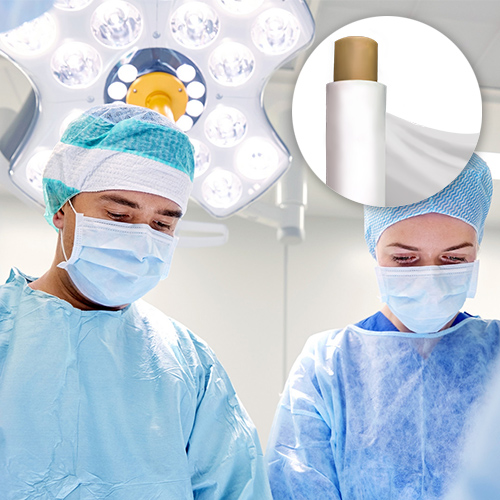
Medical PTFE Membrane: Definition and Role in Wound Care
What Is a Medical PTFE Membrane?
A medical PTFE membrane consists of a specialized polymer material designed for advanced wound care. Manufacturers create these membranes using carbon and fluorine elements. The unique molecular structure replaces all hydrogen atoms with fluorine, forming highly stable carbon-fluorine bonds. This configuration gives the membrane outstanding resistance to heat, cold, corrosion, and aging. These properties make the medical PTFE membrane an ideal choice for protecting wounds in demanding clinical environments. The membrane’s micro-porous structure allows breathability while blocking liquids and contaminants, supporting a clean and stable healing environment.
How Medical PTFE Membranes Work in Wound Care
Medical PTFE membranes play a vital role throughout the wound healing process. They provide a physical barrier that shields the wound from bacteria and external irritants. This protection helps stabilize the wound environment and supports each phase of healing:
| Phase of Healing | Description |
|---|---|
| Inflammation | The body responds to injury and works to prevent infection. |
| Granulation Tissue Formation | New tissue develops, creating a foundation for further healing. |
| Matrix Formation and Remodeling | The extracellular matrix forms and remodels, restoring tissue integrity. |
Medical PTFE membranes also support healing through several mechanisms:
·They act as cell-occluding barriers, preventing unwanted cell migration.
·They help maintain clot adhesion and protect delicate tissue.
·They can enhance regeneration by supporting the application of growth factors and extracellular matrix proteins.
Studies show that these membranes improve healing outcomes by maintaining a stable environment and reducing exposure to harmful factors.
Key Benefits of Medical PTFE Membrane in Wound Care
Superior Barrier Protection Against Infection
Medical PTFE membrane acts as a robust shield against bacteria and external contaminants. Its micro-porous structure allows air to pass through while blocking liquids and pathogens. This barrier function reduces the risk of infection, which is critical for patients with open wounds. Healthcare professionals value this property because it helps maintain a sterile wound environment and supports better healing outcomes.
Enhanced Healing Environment and Moisture Control
A balanced wound environment accelerates tissue repair. Expanded PTFE membranes create an optimal microenvironment by facilitating gas and moisture exchange. This moisture control prevents the wound from drying out or becoming too wet. As a result, tissue repair occurs more efficiently, and the risk of infection decreases. Patients experience faster healing and improved wound quality when clinicians use medical PTFE membrane dressings.
Tip: Proper moisture management not only speeds up healing but also reduces discomfort for patients during recovery.
Biocompatibility and Patient Comfort
Biocompatibility remains a top priority in wound care. Medical PTFE membrane demonstrates excellent compatibility with human tissue. Studies show that this material does not trigger abnormal inflammation or adverse tissue reactions. Researchers observed no multinucleated giant cells or unusual responses in implantation beds. The tissue reactions matched those of control groups, confirming that medical PTFE membrane does not provoke negative responses. Patients benefit from reduced irritation and greater comfort during the healing process.
Durability, Flexibility, and Reduced Dressing Changes
Durability and flexibility set medical PTFE membrane apart from traditional wound dressings. The membrane withstands movement and daily activities without tearing or losing effectiveness. Its structure supports breathability and moisture management, which promotes faster wound closure. PTFE/hydrogel dressings, for example, have shown an 80.95% wound closure rate by day six in comparative studies. This rapid healing reduces the frequency of dressing changes, saving time for healthcare providers and minimizing discomfort for patients.
·Fewer dressing changes mean:
·Less disruption to the healing wound
·Lower risk of secondary infection
·Improved patient satisfaction
Clinical Evidence and Real-World Applications
Clinical studies highlight the effectiveness of medical PTFE membrane in diverse wound care scenarios. The following table summarizes key findings from recent research:
| Study Description | Findings |
|---|---|
| Effect of Different Membranes on Vertical Bone Regeneration | e-PTFE has a layered structure and can become contaminated, leading to bacterial accumulation and infection. |
| Comparison of e-PTFE with CM group | Three studies compared the e-PTFE group with the CM group. |
| Soft tissue healing outcomes | Two out of three studies showed a lower probability of soft tissue dehiscence in the CM group. |
| Infection rates | One study reported no infections after either treatment. |
These results demonstrate that medical PTFE membrane performs reliably in clinical settings. Healthcare teams use this technology to manage complex wounds, support bone regeneration, and reduce infection risks. The membrane’s versatility and proven outcomes make it a valuable tool in modern wound care.
Medical PTFE membranes deliver advanced protection and clinical performance in wound care. Experts highlight benefits such as accelerated tissue regeneration and improved implant stability:
| Benefit | Description |
|---|---|
| Accelerated tissue regeneration | Membranes facilitate quicker healing and tissue growth. |
| Improved implant stability | Ridge preservation enhances future outcomes. |
Innovations in bioactive membranes and real-time monitoring promise even greater patient outcomes.
FAQ
What makes medical PTFE membrane different from traditional wound dressings?
Medical PTFE membrane offers superior barrier protection, breathability, and durability. It resists liquids and bacteria, supporting a stable healing environment for wounds.
Can medical PTFE membranes be used on all types of wounds?
Clinicians use medical PTFE membranes for many wound types, including surgical, traumatic, and chronic wounds. They assess each case to ensure optimal healing and patient safety.
How often should healthcare providers change a PTFE membrane dressing?
Healthcare providers change PTFE membrane dressings less frequently than traditional dressings. The membrane’s durability and moisture control help reduce dressing changes and minimize wound disruption.
Post time: May-14-2026