
A perfect flange seal requires careful attention to detail and the right sealing material. ePTFE sealing tape creates a reliable, leak-free connection when users follow each step with precision. They must prepare the flange, apply the tape correctly, and inspect for proper placement. Common mistakes, such as covering the first thread with tape, often cause blockages in control valves and result in sluggish or failed systems. To ensure lasting performance, they should always leave the first two threads bare and complete thorough testing after installation.
Tools and Materials for ePTFE Sealing Tape Application
Essential Tools for Flange Sealing
Every successful flange seal starts with the right set of tools. Technicians should gather all necessary equipment before beginning the application process. Manufacturers recommend the following tools for optimal results:
1.Clean, lint-free cloths for wiping flange surfaces.
2.A sharp utility knife or scissors for cutting the tape, especially for making precise skive cuts.
3.A torque wrench to ensure bolts reach the correct load, usually between 25 and 30 N/mm².
4.A wire brush or non-metallic scraper for removing old gasket material and debris.
5.Gloves to protect hands and maintain cleanliness during installation.
6.A ruler or measuring tape for accurate tape measurement and cutting.
Tip: Always grease bolts and nuts before installation to achieve even torque and prevent galling.
Required Materials for a Leak-Free Seal
Selecting the right materials ensures a durable and reliable seal. The primary material is ePTFE sealing tape, known for its outstanding chemical resistance and ability to perform in extreme temperatures ranging from -60°C to 230°C. This makes it suitable for demanding industrial environments. In addition to the tape, technicians should have:
·Replacement bolts and nuts, if any show signs of wear or damage.
·Cleaning agents that leave no residue, ensuring the flange surface remains free from grease.
·Backing paper for the tape, which helps with easy application and prevents contamination.
·Storage containers to keep the tape in a cool, dry place below 100°F (37°C) and away from direct sunlight.
A well-prepared work area and the correct materials help prevent leaks and ensure the longevity of the flange seal. Proper handling and storage of ePTFE sealing tape also protect its integrity, making it a preferred choice for critical sealing applications.
Preparing Flanges for ePTFE Sealing Tape
Cleaning and Inspecting Flange Surfaces
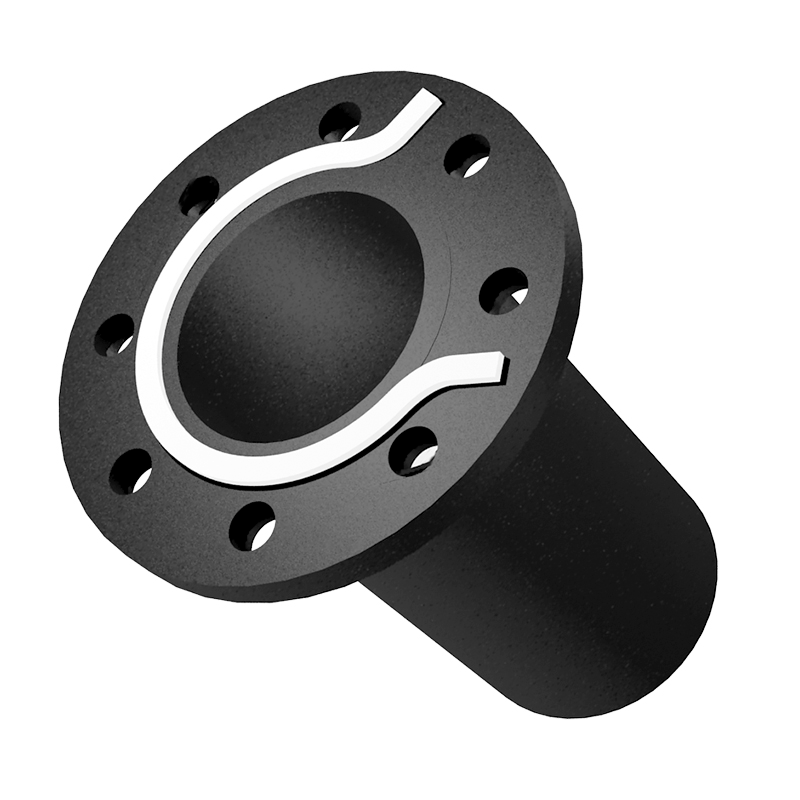
Technicians must start with clean flange surfaces to achieve a reliable seal. They should remove all traces of old gasket material, dirt, oil, and rust. A wire brush or non-metallic scraper works well for this task. After cleaning, they should wipe the surfaces with a lint-free cloth and a residue-free cleaning agent. This step prevents contamination that could compromise the seal.
Inspection follows cleaning. Technicians should check for scratches, dents, or warping on the flange faces. Even small imperfections can cause leaks. If they find damage, they should repair or replace the flange before proceeding. Proper inspection ensures the ePTFE sealing tape will adhere evenly and perform as expected.
Note: Clean and smooth flange surfaces help the tape form a tight, continuous barrier against leaks.
Setting Up the Work Area for Application
A well-organized work area supports a successful installation. Technicians should choose a location free from dust, moisture, and aggressive chemicals. These substances can degrade the tape and reduce its effectiveness. They should also avoid areas with extreme temperatures. High heat can weaken the tape, while cold can make it brittle.
Recommended environmental conditions include:
·Absence of aggressive chemicals, such as certain amines or halogenated solvents
·Stable, moderate temperatures to prevent loss of mechanical properties
·Low humidity to avoid moisture contamination
Technicians should lay out all tools and materials before starting. Good lighting helps them spot surface defects and apply the tape accurately. They should wear gloves to keep the tape clean during handling.
A clean, controlled environment ensures the ePTFE sealing tape maintains its integrity and delivers a long-lasting seal.
Step-by-Step Guide to Applying ePTFE Sealing Tape
Measuring and Cutting ePTFE Sealing Tape
Accurate measurement and cutting of ePTFE sealing tape form the foundation of a reliable flange seal. Technicians should follow these steps to ensure the tape fits perfectly:
1.Select the correct width and thickness of tape. The choice depends on the flange size and any surface irregularities.
2.Prepare the flange by cleaning and inspecting it for defects.
3.Measure the circumference of the flange sealing surface. This ensures the tape will cover the entire sealing area without gaps.
4.Perform an initial skive cut at one end of the tape. This angled cut helps create a smooth joint later.
5.Apply a base layer of tape along the flange face, pressing it gently into place.
6.Complete the layer by wrapping the tape around the entire sealing surface.
7.Add extra tape to shim any irregularities in the flange, ensuring a consistent seal.
Tip: Always use a sharp utility knife or scissors for clean, precise cuts. This prevents fraying and ensures the tape seats properly.
Positioning and Wrapping the Tape on the Flange
Proper positioning and wrapping of the tape are essential for a leak-free seal. Technicians should start by aligning the skived end of the tape with the flange face. They should press the tape gently onto the surface, making sure it follows the contour of the flange. The tape must lay flat without twists or folds.
As they wrap the tape, they should maintain even tension. This prevents stretching or thinning, which can compromise the seal. The tape should overlap slightly at the joint, but not excessively. Too much overlap can create high spots that affect compression. The goal is a continuous, uniform layer that covers the entire sealing surface.
Note: Consistent pressure during application helps the tape conform to surface irregularities and maximizes sealing performance.
Using the Skive Cut Technique
The skive cut technique plays a critical role in achieving a high-performance seal with ePTFE sealing tape. By creating a tapered joint at the tape ends, this method increases the contact area between the tape and the flange. The larger contact area reduces the risk of leaks by promoting better alignment and compression. The skive cut also allows the tape ends to blend smoothly, eliminating steps or gaps that could cause seal failure.
Technicians should always use the skive cut when joining tape ends. This simple step enhances the effectiveness of the seal and extends the service life of the flange connection.
Finishing and Trimming Excess Tape
Proper finishing and trimming of excess tape ensures a clean, effective flange seal. After wrapping the tape around the flange, technicians must address any overhanging or extra material. This step prevents tape from interfering with bolt holes or causing uneven compression during assembly.
They should follow these steps for best results:
1.Inspect the Tape Placement:
Technicians should check the entire circumference of the flange. They must confirm that the tape sits flat and covers the sealing surface without bulges or folds.
2.Identify Excess Tape:
Any tape extending beyond the flange face or overlapping bolt holes requires removal. Excess material can disrupt the seal or hinder proper bolt tightening.
3.Trim with Precision:
Using a sharp utility knife or scissors, technicians should carefully trim the tape flush with the edge of the flange. They must avoid cutting into the flange surface or leaving jagged edges.
4.Smooth the Tape Ends:
After trimming, they should gently press the tape ends to ensure a seamless transition. This action helps prevent leaks at the joint and supports even compression.
Tip: Always collect and dispose of trimmed tape pieces immediately. Loose fragments can contaminate the sealing surface or workspace.
Final Visual Check:
Before proceeding to assembly, technicians should perform a final inspection. They must verify that the tape forms a continuous, uniform layer with no visible gaps or overlaps.
A well-finished application of ePTFE sealing tape delivers a professional appearance and maximizes sealing performance. Attention to detail during this stage reduces the risk of leaks and extends the service life of the flange connection.
Installation Tips for ePTFE Sealing Tape
Ensuring Even and Taut Application
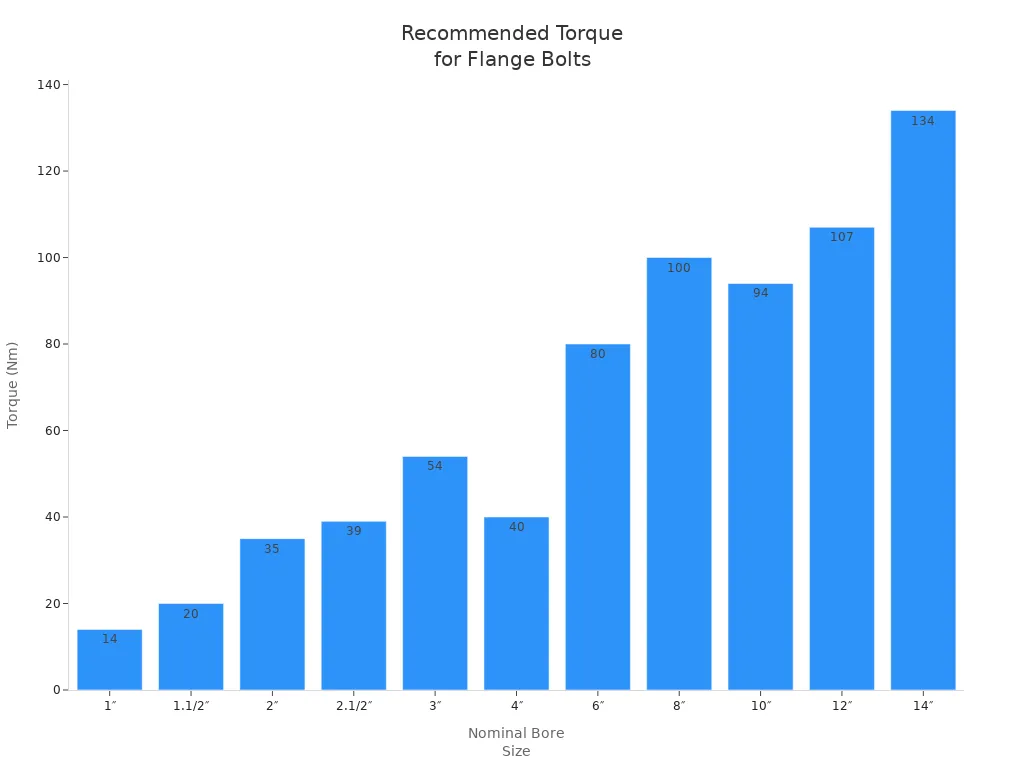
Technicians achieve a reliable flange seal by applying the tape evenly and with consistent tension. They should press the tape gently onto the flange surface, making sure it sits flat without wrinkles or air pockets. Uneven application can lead to leaks or premature seal failure. During installation, they must use a torque wrench to tighten bolts to the recommended values. This practice ensures uniform compression across the flange. The table below lists typical torque values for different nominal bore sizes:
| Nominal Bore | Torque (Nm) | Bolts/Studs |
|---|---|---|
| 1″ | 14 | 4 |
| 1.1/2″ | 20 | 4 |
| 2″ | 35 | 4 |
| 2.1/2″ | 39 | 4 |
| 3″ | 54 | 4 |
| 4″ | 40 | 8 |
| 6″ | 80 | 8 |
| 8″ | 100 | 8 |
| 10″ | 94 | 12 |
| 12″ | 107 | 12 |
| 14″ | 134 | 16 |
Technicians should always follow the manufacturer’s torque specifications to prevent under- or over-compression.
Avoiding Overlapping and Gapping
Proper tape placement prevents common installation errors. Overlapping tape layers can create high spots, while gaps may allow leaks. Technicians should align the tape edges closely without stacking or leaving spaces. They must check the entire circumference for uniform coverage. The most frequent causes of flange seal failure include installation errors, thermal relaxation, and chemical attack. The table below outlines these issues and their preventive measures:
| Failure Mode | Root Cause | Preventive Specification |
|---|---|---|
| Thermal Relaxation / Collapse | Loss of elasticity after heat exposure | Use thermally stabilized fills; Ensure proper bolt retorquing procedure. |
| Extrusion / Blow-Out | High pressure at elevated temperature | Specify confined gasket design (e.g., ring joint); Use anti-extrusion rings. |
| Chemical Attack | Incompatibility with certain media | Conduct a chemical compatibility review; consider specialty PTFE compounds. |
| Installation Errors | Incorrect assembly practices | Follow installation guides and torque specifications. |
| Material Quality Issues | Inconsistent raw materials | Source from certified manufacturers with quality control. |
Technicians can reduce the risk of leaks by following these guidelines and inspecting their work before final assembly.
Selecting the Right Tape Width and Thickness
Choosing the correct tape width and thickness is essential for a secure seal. The tape must match the flange face dimensions and accommodate any surface irregularities. For wide flanges or those with deep grooves, a thicker tape provides better coverage and resilience. Technicians should consult the flange specifications and select the tape size that ensures full contact without excess material. Using the right ePTFE sealing tape for the application maximizes chemical resistance and long-term performance.
Final Checks and Testing the ePTFE Flange Seal
Inspecting the Completed Seal
A thorough inspection ensures the flange seal will perform reliably under operating conditions. Technicians should examine the gasket area for any signs of damage or improper installation. They can use the following visual indicators to assess the integrity of the seal:
·Cracking: Surface cracks or deep fissures may allow fluid to bypass the seal.
·Swelling or softening: Chemical attack can cause dimensional changes, and swollen gaskets may extrude from the flange.
·Hardening or embrittlement: Exposure to high temperatures or incompatible chemicals can make the gasket brittle.
·Permanent deformation (compression set): If the gasket does not rebound after compression, it may have lost its sealing ability.
·Surface erosion or pitting: Localized chemical or mechanical damage can compromise the seal.
·Extrusion: Gasket material forced out of the flange gap often results from excessive bolt torque.
Technicians should address any of these issues before proceeding. A well-inspected seal reduces the risk of leaks and extends the service life of the flange connection.
Testing for Leaks and Seal Integrity
After inspection, technicians must verify the seal’s performance through pressure or leak testing. They should follow standard industry procedures, such as hydrostatic or pneumatic tests, to confirm that the flange assembly holds pressure without visible leaks. During testing, they should monitor for any drops in pressure or the presence of moisture around the flange.
Environmental limitations can affect the long-term performance of the seal. The table below outlines key considerations:
| Limitation | Description |
|---|---|
| Poor Thermal Conductivity | The material does not dissipate heat well, which can accelerate wear at the sealing interface. |
| Low Mechanical Robustness | The soft nature of the material makes it susceptible to damage during installation, potentially creating leak paths. |
| Susceptibility to Cold Flow | Sustained pressure can cause permanent deformation, reducing sealing force over time. |
| High Thermal Expansion | Significant expansion and contraction with temperature changes can affect seal reliability in fluctuating environments. |
Technicians should always consider these factors when selecting and installing ePTFE sealing tape. Proper final checks and testing ensure a leak-free, durable flange seal.
Technicians achieve a perfect flange seal by following each step with precision. Careful preparation and correct application of ePTFE sealing tape deliver long-term reliability. The material conforms to surface irregularities and maintains its shape over time. Key factors include:
·The tape compensates for imperfections, creating a tight seal.
·Proper seating and compression during installation prevent leaks.
·Resistance to creep and cold flow ensures stability in demanding environments.
These tips help technicians create a leak-free flange seal that performs reliably.
FAQ
How does ePTFE sealing tape improve flange sealing performance?
ePTFE sealing tape offers excellent chemical resistance and flexibility. It conforms to surface irregularities and maintains a tight seal under extreme temperatures. Technicians rely on this material for leak-free performance in demanding industrial environments.
What is the recommended storage method for ePTFE sealing tape?
Technicians store ePTFE sealing tape in a cool, dry container below 100°F (37°C). They avoid direct sunlight and aggressive chemicals. Proper storage preserves the tape’s integrity and ensures reliable sealing during application.
Can technicians use ePTFE sealing tape for high-temperature applications?
ePTFE sealing tape withstands temperatures from -60°C to 230°C. This range covers most industrial processes. The tape maintains its sealing properties and resists degradation, making it suitable for high-temperature environments.
What tools are essential for applying ePTFE sealing tape?
Technicians use a sharp utility knife, lint-free cloths, a torque wrench, and gloves. These tools help achieve precise tape placement and proper bolt tightening. Accurate measurement and clean surfaces ensure a leak-free seal.
How do technicians test the integrity of a flange seal after installation?
Technicians perform hydrostatic or pneumatic pressure tests. They monitor for leaks and check for drops in pressure. This process confirms the seal’s reliability and ensures the flange assembly meets industry standards.
Post time: Jun-18-2026